Stock Rotation in Wholesale Markets
Share
Wholesale markets are not only judged by how much inventory they have. They are also judged by how well that inventory moves.
In produce markets, seafood markets, meat distribution areas, restaurant supply warehouses, dairy distributors, frozen food businesses, cash-and-carry stores, and general food wholesale buildings, goods often arrive in different batches. Some products arrive in the morning. Some arrived the day before. Some may have a shorter quality window. Some may need to move out before newer stock is used.
If older goods stay behind newer goods, the market can create waste without noticing it.
This is why stock rotation matters.
Stock rotation is the practice of moving older or earlier-received goods forward so they are used, sold, picked, or staged before newer goods. In food wholesale operations, this idea is often connected with FIFO, or first in, first out.
The concept is simple: goods that arrive first should usually move out first.
But in a real wholesale market, stock rotation is not only a rule on paper. It requires physical movement. Older stock must be identified, pulled forward, moved to the correct active area, and kept separate from newer stock when needed.
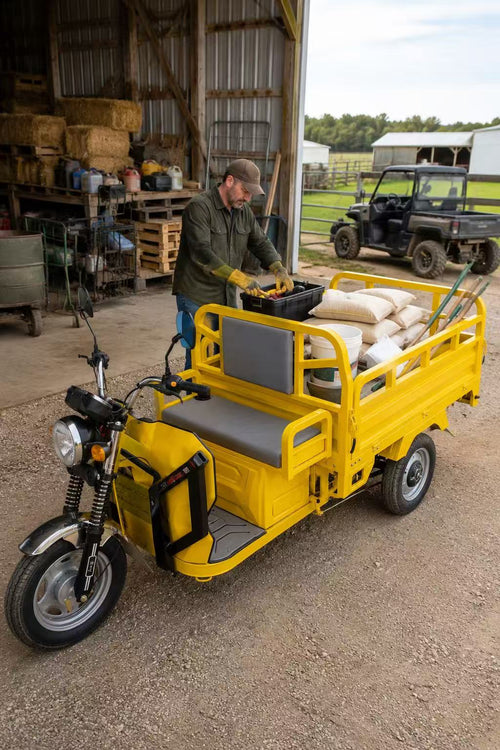
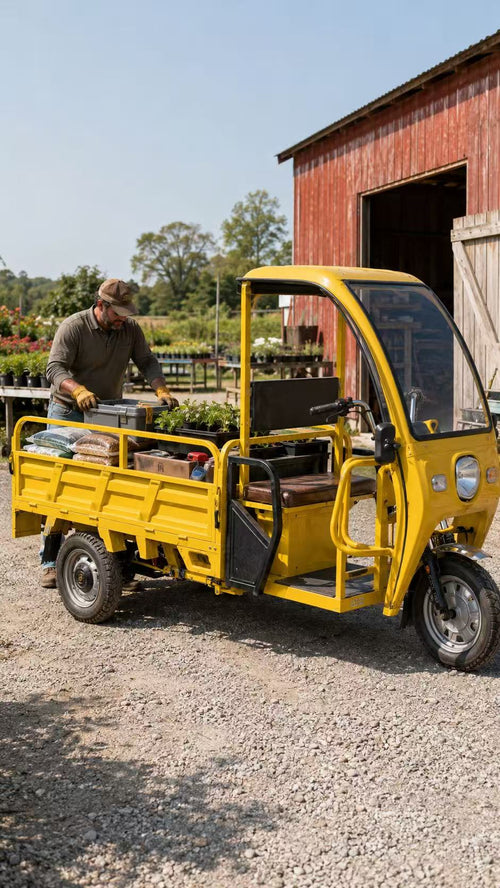
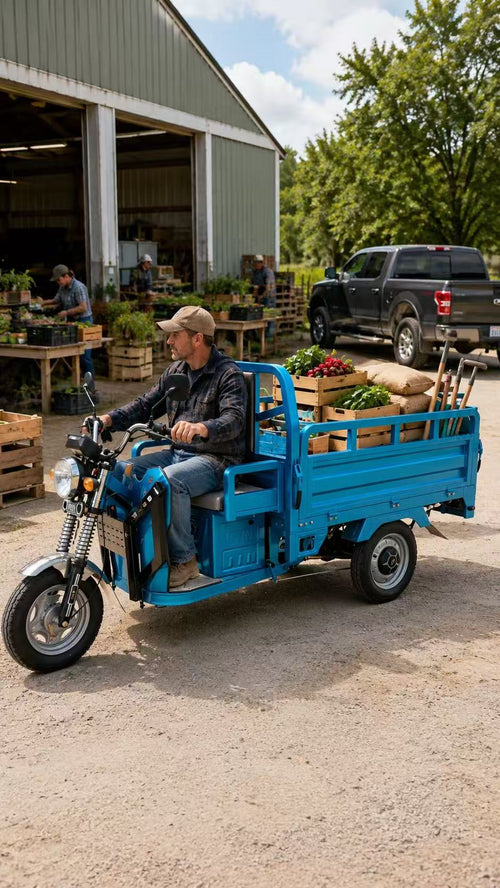
A cargo-bed electric utility vehicle can help workers move older batches between storage areas, cold room entrances, active picking zones, front sales areas, order preparation spaces, and customer pickup zones.
Why Stock Rotation Matters
In a busy wholesale market, new deliveries can arrive before older stock has fully moved out.
If workers are rushed, they may place new cartons in front of older cartons. If the front area is restocked quickly without checking older stock, the newer goods may sell first. If cold room goods are not rotated, older cartons may stay in the back longer than they should.
This creates several problems.
Older stock may lose freshness.
Product quality may become inconsistent.
Customers may receive goods with a shorter usable window.
Workers may discover old stock too late.
The business may create avoidable waste.
Customer trust may be affected.
For fresh food businesses, this matters even more. Produce, seafood, meat, dairy, frozen goods, and prepared restaurant supply items may all have quality windows that need control.
Good stock rotation helps the business protect inventory value and serve customers more consistently.
Stock Rotation Is Different From Restocking
Stock rotation and restocking are connected, but they are not the same.
Restocking means bringing more goods to the front area, sales area, vendor stall, pickup zone, or order preparation area.
Stock rotation means making sure the correct batch moves first.
A worker may restock the front area with new cartons because they are easy to reach. But if older cartons are still behind them, the market has a rotation problem. The front may look full, but the inventory flow is wrong.
Good restocking asks:
What needs to be refilled?
Good stock rotation asks:
Which batch should move first?
Both questions matter. A wholesale market that only restocks without rotating may look organized on the surface while older goods remain hidden in the back.
Where Rotation Problems Happen
Stock rotation problems can happen in many places.
They may happen in a cold room when new sealed cartons are placed in front of older ones. They may happen in a backroom storage area when workers stack fresh deliveries without pulling forward the earlier batch. They may happen near the front sales area when high-demand items are refilled with newer stock first. They may happen in customer pickup preparation when workers choose the easiest cartons instead of the earlier batch.
Common rotation problem areas include:
cold room entrances
backroom storage areas
produce crate stacks
seafood foam box storage
meat carton holding areas
restaurant supply racks
dry goods storage
frozen food staging areas
front sales refill points
customer pickup preparation zones
These are all places where inventory can look full but still be moving in the wrong order.
The Role of an Electric Utility Vehicle
A cargo-bed electric utility vehicle supports stock rotation by making it easier to move older batches to the correct active zone.
In many wholesale markets, stock rotation requires short-distance movement. Workers may need to move goods from the back of a storage row to the front. They may need to transfer older cartons from a cold room entrance to an order preparation area. They may need to move earlier-received produce crates toward a vendor stall before newer crates are used.
These movements are often too frequent for hand carrying and too small or mixed for forklift work.
The cargo bed can carry a controlled group of goods in one trip. This helps workers move older stock forward without leaving cartons in aisles or mixing batches across the floor.
The vehicle can support:
older stock movement from back storage to front area
cold room stock rotation
produce crate rotation
sealed seafood box movement
restaurant supply carton rotation
dry goods batch movement
order preparation support
customer pickup zone replenishment
short-distance transfer between storage and active picking areas
The vehicle does not decide which batch is older. Workers still need to follow the market’s inventory process. But the vehicle helps make the rotation process physically easier to execute.
Keeping Older Stock Visible
One of the biggest stock rotation problems is visibility.
Older goods may be hidden behind newer cartons. They may be stacked under fresh deliveries. They may be placed in a corner while newer products move through the active area. Workers may not notice the older batch until it has already lost value.
A better workflow keeps older stock visible and reachable.
This does not mean leaving everything in the aisle. It means arranging goods so the earlier batch can be moved first. It also means using equipment that helps workers pull the correct goods forward without creating clutter.
A cargo-bed electric utility vehicle can help move older batches from hidden storage positions to active work zones. This makes the rotation process more practical, especially when workers are dealing with mixed cartons, crates, foam boxes, and bags.
Produce, Seafood, Meat, Dairy, and Restaurant Supply Examples
Stock rotation looks different across wholesale categories.
In produce markets, older crates and cartons may need to move toward vendor stalls or active selling areas before newer arrivals are opened. This helps reduce waste and keeps quality more consistent.
In seafood businesses, sealed foam boxes and closed cartons may need careful movement from cold areas toward preparation or pickup zones. Earlier batches should not be buried behind newer ones.
In meat and frozen food distribution, sealed cartons may need organized batch movement between cold storage, staging, and pickup. Rotation helps avoid older cases being left behind.
In dairy and refrigerated food distribution, stock rotation is especially important because product dates and cold storage discipline matter. Earlier batches should be controlled and moved before later ones when appropriate.
In restaurant supply warehouses, rotation may apply to sauces, dry goods, paper goods, packaging materials, and other inventory that arrives in repeated batches. Even when goods are not highly perishable, poor rotation can create old inventory, damaged packaging, or forgotten stock.
The details are different, but the principle is the same: earlier stock should not be trapped behind newer stock.
Avoid Mixing Stock Rotation With Damaged Goods
Stock rotation is not the same as damaged goods handling.
Older stock is not automatically bad stock. It may be perfectly sellable and should simply move before the newer batch. Damaged cartons, broken crates, cracked foam boxes, or questionable goods should go to a hold, inspection, or repack area.
This distinction matters.
A good stock rotation process moves usable older goods forward. A damaged goods process separates questionable items for review. Mixing these two workflows can create confusion.
Workers should know the difference between:
older sellable stock
newer sellable stock
damaged or questionable goods
returned goods needing inspection
goods that should be held away from normal orders
A cargo-bed electric utility vehicle can support both workflows, but the loads should be kept organized and separated. For stock rotation, the vehicle should carry clean, sellable, closed goods that are being moved forward according to batch order.
A Practical Stock Rotation Workflow
A practical stock rotation workflow can be simple.
First, workers identify which batch arrived earlier.
Second, they check where that batch is located.
Third, they move earlier stock toward the active picking, sales, staging, or pickup area.
Fourth, newer stock remains in storage until the older batch has moved forward.
Fifth, the cycle repeats as new deliveries arrive.
This helps prevent older goods from staying hidden in storage.
The cargo-bed electric utility vehicle supports the workflow by moving the correct batch between zones without relying only on hand carrying or scattered carts.
A simple rotation loop may connect:
backroom storage
cold room entrance
active picking area
front sales area
order preparation zone
customer pickup zone
empty crate return area
The same vehicle can move older stock forward and bring empty crates or packaging back when appropriate.
Why This Helps Reduce Waste
Waste in wholesale markets does not always come from one big mistake. It often comes from many small movement problems.
A few older boxes stay in the back.
A newer delivery gets placed in front.
Workers pick from the easiest location.
A busy day ends before anyone checks the older batch.
The product loses value.
Over time, this becomes money lost.
Better stock rotation helps reduce this kind of hidden waste. It helps workers move earlier goods into active use before they become harder to sell. It also helps the business maintain a more consistent product flow.
For small and mid-size wholesale businesses, this can matter as much as carrying capacity. A vehicle that helps move the right goods at the right time can support better inventory discipline.
Why Customers Notice Rotation Problems
Customers may not use the words “stock rotation,” but they notice the results.
They notice when product quality is inconsistent. They notice when one carton looks older than another. They notice when packaging has been sitting too long. They notice when a commonly purchased item is available but not easy to access. They notice when workers take too long to find the right batch.
A well-managed rotation process helps customers receive goods that match their expectations.
This is especially important for restaurant buyers, small grocery stores, seafood dealers, produce vendors, and foodservice operators. These buyers depend on wholesale suppliers for reliable daily inventory.
If the wholesale market manages stock rotation well, customers feel more confidence in the operation.
A Better Way to Move Inventory
Stock rotation is not only a storage rule. It is a movement system.
Older goods need to move forward. Newer goods need to stay behind until the right time. Active areas need to be replenished with the correct batch. Cold rooms and storage areas need to stay organized. Customer pickup zones need the right goods, not just the closest goods.
A cargo-bed electric utility vehicle gives wholesale workers a practical way to support this process.
It helps move clean, sellable, earlier-batch goods between storage, cold room entrances, active picking areas, front sales zones, order preparation spaces, and customer pickup areas.
For produce markets, seafood businesses, meat distributors, dairy suppliers, frozen food operations, restaurant supply warehouses, cash-and-carry stores, and general wholesale businesses, stock rotation can reduce old inventory, protect product value, and support customer trust.
The goal is simple: move the right batch first, keep goods organized, and make stock rotation a real daily workflow instead of just an idea.