Inventory Accuracy Checks in Wholesale Markets
Share
Wholesale markets move goods quickly. A product may arrive at receiving, move into storage, get picked for an order, shift to a staging area, return from a customer, move into a hold area, or go out through a pickup lane within the same working day.
When goods move this often, inventory records can become inaccurate.
The system may show that a product is available, but workers cannot find it in the right location. A customer may be told that goods are in stock, but the actual quantity is lower than expected. A carton may be placed in the wrong zone. Returned goods may not be counted correctly. Damaged cartons may be separated but not recorded. A fast-moving item may be picked several times before the stock count is updated.
This is why inventory accuracy checks matter in wholesale markets.
Inventory accuracy is not only an accounting issue. It affects customer wait time, order confidence, stock availability, picking speed, and daily workflow.
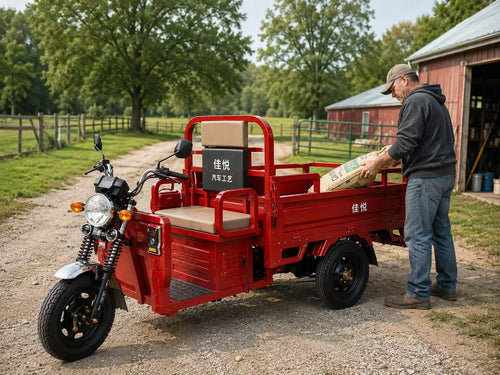
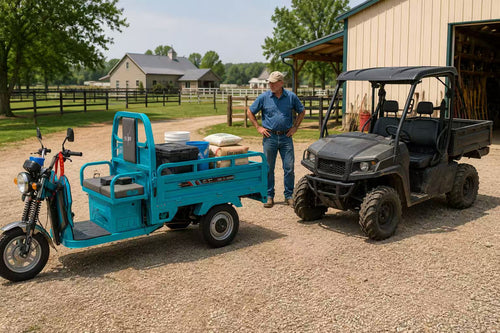
A cargo-bed electric utility vehicle does not replace inventory software, barcode scanning, cycle counting, or warehouse management procedures. But it can support the physical side of inventory accuracy work by helping workers move through the facility, collect misplaced cartons, transfer correction loads, and return goods to the right zone.
Why Inventory Accuracy Matters
In a wholesale market, customers often expect fast answers.
Is this item available?
How many cases do you have?
Can this order be picked today?
Can the customer pick it up now?
Is this product in the cold room, staging area, sales area, or back storage?
If the inventory count is wrong, workers lose time checking. If the location is wrong, the goods may exist but still feel unavailable. If the system says there are ten cartons but only six are found, the business may delay a customer order or create a wrong promise.
For small and mid-size wholesale operations, these problems can happen even without a complicated warehouse system. A simple mismatch between the counted stock and the actual stock can create real trouble.
Inventory accuracy checks help catch these problems earlier.
They help workers confirm what is actually on hand, where it is located, and whether it needs to be moved to the correct place.
Common Causes of Inventory Mismatch
Inventory discrepancies can come from many daily activities.
Receiving errors may happen when goods arrive in mixed cartons, loose crates, or partial pallets. Picking errors may happen when workers take goods from the wrong location. Restocking may move goods forward without updating the count. Damaged goods may be moved to a hold area but not removed from available inventory. Customer returns may be placed near normal stock before inspection. Fast-moving goods may be pulled repeatedly during a rush.
Common causes include:
incorrect receiving count
misplaced cartons
wrong storage location
unrecorded customer returns
damaged goods not separated in the system
manual picking mistakes
items moved from cold room to staging without update
empty crates mixed with sellable goods
old inventory left behind
partial cartons or opened cases not tracked clearly
These problems are not only data problems. They often begin as movement problems.
Goods move to the wrong place, and the inventory record no longer matches the physical reality.
Inventory Accuracy Is Different From Stock Rotation
Inventory accuracy checks and stock rotation are connected, but they are not the same.
Stock rotation focuses on which batch should move first. It helps older goods move before newer goods.
Inventory accuracy focuses on whether the stock count and location are correct.
A business may rotate goods well but still have inaccurate counts. A business may know which batch is older but still not know exactly how many cartons are in the active area, back storage, cold room, or pickup zone.
A good wholesale workflow needs both.
Stock rotation protects product flow and quality.
Inventory accuracy protects order confidence and availability.
Where Inventory Accuracy Checks Happen
Inventory accuracy checks can happen in many areas of a wholesale market.
They may happen at receiving after a shipment arrives. They may happen in back storage when workers compare physical cartons with inventory records. They may happen in a cold room when sealed boxes are counted. They may happen in an active picking area when high-demand items are moving quickly. They may happen in a staging area before customer pickup. They may happen in a damaged goods area or return area when questionable items are removed from normal stock.
Important check areas include:
receiving dock
backroom storage
warehouse racks
cold room entrance
active picking area
front sales area
order preparation zone
customer pickup zone
damaged goods hold area
returned goods inspection area
Each area can create inventory differences if goods are moved without clear control.
How a Cargo-Bed Electric Utility Vehicle Supports Accuracy Work
A cargo-bed electric utility vehicle supports inventory accuracy checks by helping workers physically correct what they find.
During a count or location check, workers may discover that a carton is in the wrong place. They may find goods that should move back to storage. They may find returned items that need inspection. They may find staged goods that should be moved to another customer area. They may find cold-chain goods that need to return to the correct temperature zone.
The vehicle gives workers a practical way to move those items immediately.
It can carry:
misplaced cartons
sealed foam boxes
plastic crates
dry goods cases
restaurant supply cartons
returned goods waiting for review
items moved from wrong location to correct location
correction loads from staging to storage
small mixed loads found during inventory checks
This is important because inventory accuracy work should not stop at finding the problem. The market also needs to correct the physical location of the goods.
The vehicle helps workers close the gap between what the inventory record says and where the goods actually are.
Cycle Counting in a Wholesale Market
Many wholesale businesses cannot stop operations for a full inventory count every day. Instead, they may check selected areas, selected product groups, or fast-moving items more frequently.
This is often called cycle counting.
In a practical wholesale market, cycle counting may mean checking one row, one cold room section, one fast-moving product group, one staging zone, or one customer pickup area at a time. Workers compare what is physically present with what should be there.
If the count is wrong, they investigate.
Was the item picked but not updated?
Was it returned?
Was it damaged?
Was it moved to the wrong zone?
Was it staged for a customer?
Was it placed behind another batch?
Was it mixed with empty crates or packaging?
A cargo-bed electric utility vehicle can support this work by helping the worker move between areas, carry tools, collect misplaced items, and transfer goods to the correct location after the check.
This makes inventory accuracy work more physical and more practical, not just a paper process.
Inventory Accuracy for Food Wholesale
Food wholesale businesses have extra pressure because product condition, storage location, and customer timing all matter.
Produce cartons may move quickly between back storage and front areas. Seafood foam boxes may move between cold areas and pickup zones. Meat and frozen food cartons may need tighter control between cold storage, staging, and loading. Restaurant supply goods may include dry food, oils, paper goods, cleaning supplies, sauces, and packaging materials in mixed orders.
If inventory records are inaccurate, workers may promise goods that are not easy to find. Customers may wait while the team searches. Some products may be reordered too early while others are forgotten. Cold-chain goods may be harder to track when they move between storage and active handling areas.
Inventory accuracy checks help food wholesale operators keep better control of what is available and where it is located.
The electric utility vehicle supports the movement side by helping workers transfer corrected goods between storage, picking, staging, cold room entrances, and pickup zones.
Avoid Treating Every Missing Item as Out of Stock
One important lesson in wholesale inventory is that “not found” does not always mean “out of stock.”
The item may be in the wrong aisle. It may be in a staging area. It may be in a cold room. It may have been moved to a front sales area. It may be sitting with a returned order. It may be behind a newer batch. It may be on a cart waiting to be put away.
Before telling a customer that goods are unavailable, workers may need to check the physical flow.
A cargo-bed electric utility vehicle helps during this search and correction process. If misplaced goods are found, they can be moved to the correct zone quickly. If goods are found in the wrong customer staging area, they can be corrected. If a returned carton is discovered, it can be moved to inspection instead of staying with sellable inventory.
This reduces confusion and helps the business give customers more accurate information.
Keeping Inventory Checks From Blocking Work
Inventory checks should not create new congestion.
If workers pull cartons into the aisle while counting, they may block others. If several items are moved to the floor during a check, the area becomes harder to work in. If misplaced goods are discovered but not moved right away, the same mistake may happen again.
A cargo-bed electric utility vehicle helps keep the check organized.
Workers can place correction items into the cargo bed instead of leaving them on the floor. The vehicle can move those goods to the right zone after the check. It can also carry small tools, handheld scanners, clipboards, packing materials, or replacement cartons if needed.
This keeps inventory accuracy work cleaner and more controlled.
A Practical Inventory Accuracy Workflow
A simple inventory accuracy workflow can be built around daily movement.
First, choose the area or product group to check.
Second, compare the physical goods with the expected count and location.
Third, separate misplaced, returned, damaged, or questionable goods.
Fourth, use the cargo-bed electric utility vehicle to move correction items to the right area.
Fifth, update the inventory record according to the confirmed result.
This workflow helps connect physical movement with record accuracy.
The goal is not just to count goods. The goal is to make the warehouse reality match the business record.
Why This Helps Customer Trust
Customers may not see inventory records, but they feel the result.
They notice when a seller says goods are available but workers cannot find them. They notice when pickup takes too long because the location is wrong. They notice when part of an order is missing. They notice when a worker must check several areas before confirming the order.
Better inventory accuracy helps reduce these problems.
It helps the business answer customers more confidently. It helps workers find goods faster. It helps prevent wrong promises and last-minute corrections. It also supports cleaner workflows across receiving, picking, staging, customer pickup, returns, and damaged goods control.
A Better Way to Support Inventory Accuracy
Inventory accuracy is not only a software issue. It is also a physical workflow issue.
Goods must be counted, located, corrected, and moved. Misplaced cartons must return to the correct zone. Returned goods must go to inspection. Damaged goods must leave sellable inventory. Cold-chain goods must stay in the right area. Staged goods must match the correct customer order.
A cargo-bed electric utility vehicle supports the physical side of this work.
It helps workers move through the market, carry correction loads, collect misplaced items, and move goods between storage, picking, staging, returns, cold room entrances, and pickup zones.
For produce markets, seafood businesses, meat distributors, dairy suppliers, frozen food operations, restaurant supply warehouses, cash-and-carry stores, and general wholesale businesses, inventory accuracy checks can reduce confusion and support better customer service.
The goal is simple: make the physical goods match the record, and make sure the right goods are in the right place when customers and workers need them.