Electric Trikes vs. Forklifts & Pallet Jacks: Optimizing Material Handling in US Wholesale Produce Markets
Share
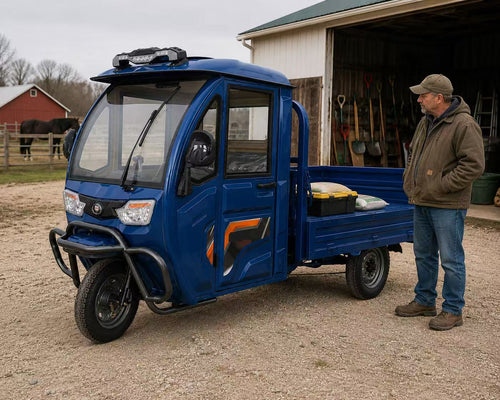
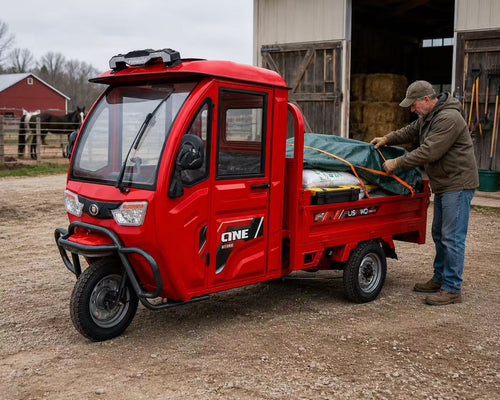
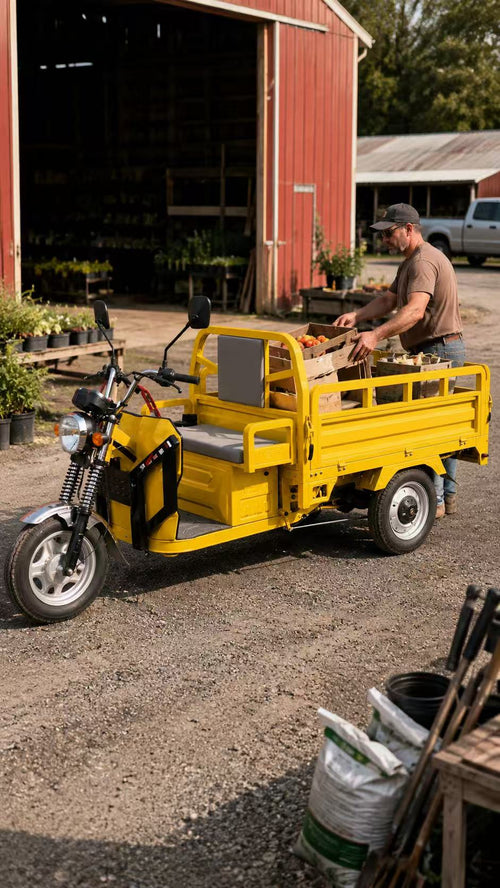
When optimizing material handling in US wholesale produce markets, business owners often face a critical equipment dilemma: choosing between traditional forklifts, manual pallet jacks, and emerging electric work trikes. Each option serves a distinct purpose, but understanding their operational boundaries is key to maximizing efficiency and minimizing costs. Traditional forklifts are undeniably powerful for heavy lifting and high-rack storage. However, in the bustling environment of a terminal market or a crowded wholesale stall, their large turning radius and emissions make them impractical for indoor use or tight-aisle cross-docking. On the other end of the spectrum, manual pallet jacks are cost-effective but introduce severe ergonomic risks and labor bottlenecks. Pushing heavy loads of fresh produce across concrete floors leads to worker fatigue, increased injury claims, and slower order fulfillment times. This is where the electric work trike has carved out a highly profitable niche. Positioned perfectly between the brute force of a forklift and the physical limitation of a manual jack, electric trikes are purpose-built for short-distance, high-frequency material handling. They offer superior maneuverability in narrow market aisles while providing motorized assistance that drastically reduces physical strain. Furthermore, electric trikes excel in specialized wholesale scenarios. Their zero-emission and low-noise operation makes them the ideal choice for cold chain logistics and indoor farmer's markets, where diesel or propane forklifts are strictly prohibited. Additionally, many electric trikes feature modular cargo beds that can be customized with shelving or bins, allowing merchants to transport sorted produce directly from the receiving dock to retail storefronts without repacking. By integrating electric trikes into their daily workflow, US wholesale merchants can bridge the gap between heavy lifting and agile transport. This not only streamlines the critical first-mile and last-mile movements within the market but also ensures a safer, more ergonomic, and highly efficient working environment for their staff.