Poultry farm operations in the United States require continuous daily logistics support for feed delivery, egg collection, barn cleaning, and movement of supplies between production zones. Due to the high-density layout of poultry houses, these tasks must be performed efficiently and repeatedly throughout the day.
Traditional transport methods such as manual carts or larger utility trucks are often inefficient or unsuitable for narrow poultry house aisles. They can create unnecessary noise, disrupt bird behavior, and reduce overall operational efficiency.
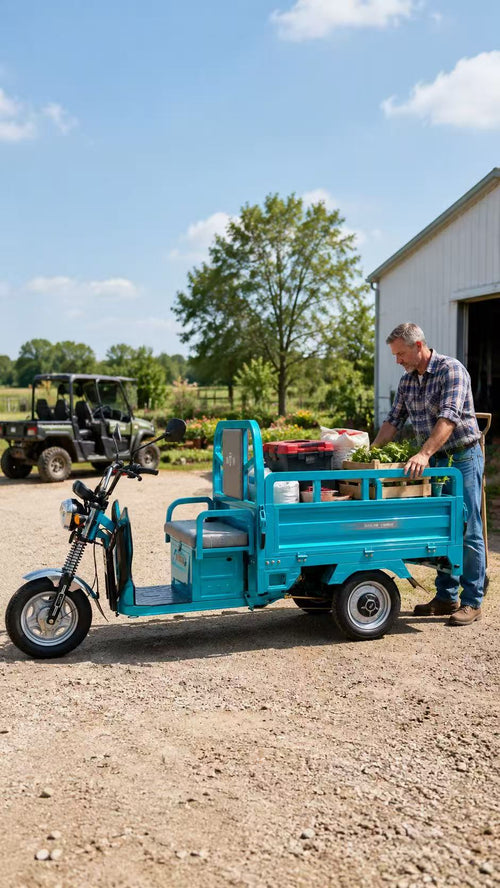
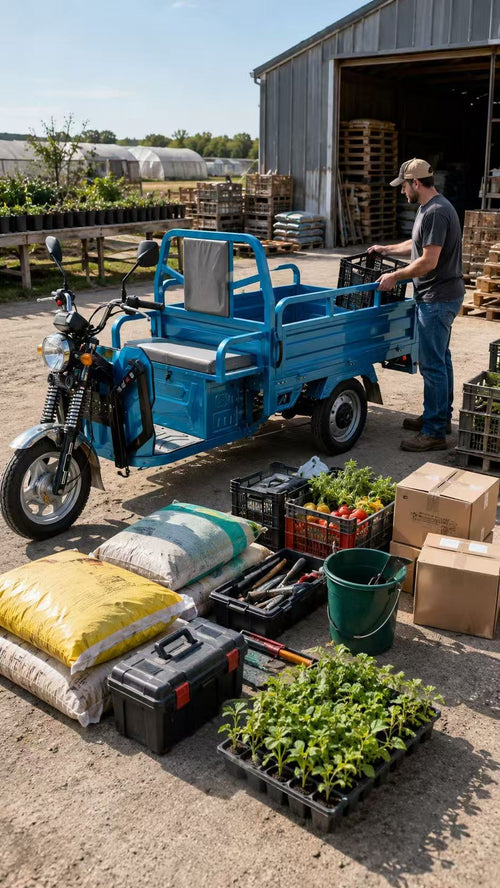
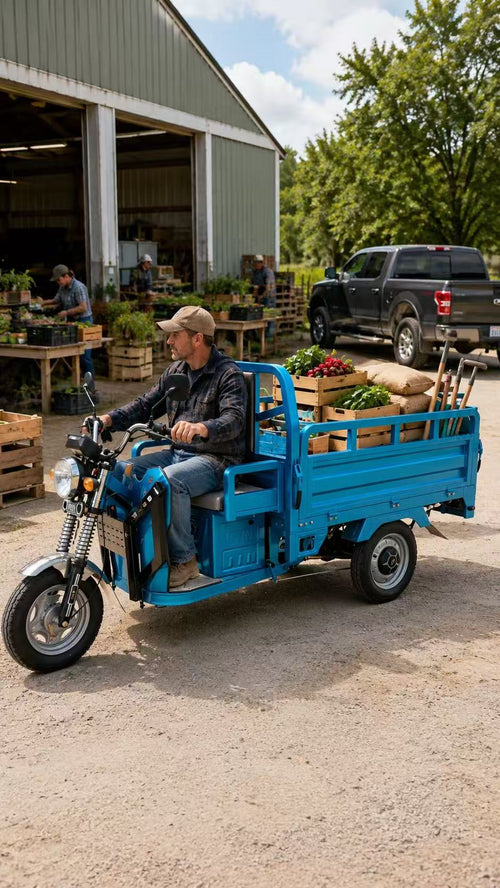
Electric utility vehicles provide a practical solution for poultry farm environments. Their compact size allows smooth movement through narrow barn corridors and production lanes. The precise low-speed control system enables safe operation near poultry without causing stress or disturbance.
In poultry farming operations, these vehicles are commonly used for transporting feed to feeding lines, collecting eggs from different production zones, moving cleaning materials, and supporting waste removal processes inside and outside poultry houses.
One of the key advantages of electric utility vehicles in poultry farm operations is their extremely low noise level. Poultry such as chickens and ducks are highly sensitive to sudden sound and movement. Quiet electric operation helps maintain stable production conditions and improves overall flock productivity.
Compared to fuel-powered equipment, electric utility vehicles significantly reduce operational costs and maintenance requirements. Poultry farm operators benefit from lower daily running expenses while improving efficiency in repetitive logistics tasks.
As poultry farming continues to scale and modernize, electric utility vehicles are becoming an essential tool for feed logistics, egg collection systems, and internal barn operations across commercial poultry farms in the United States.
⸻