Electric Farm Truck for Daily Chores: Match the Vehicle to the Work Route, Load, and Farm Size
Share
Many small farms need a work vehicle, but not every farm needs a full-size pickup or an expensive UTV. In real daily use, the better choice often depends on the route, the load, and the size of the property.
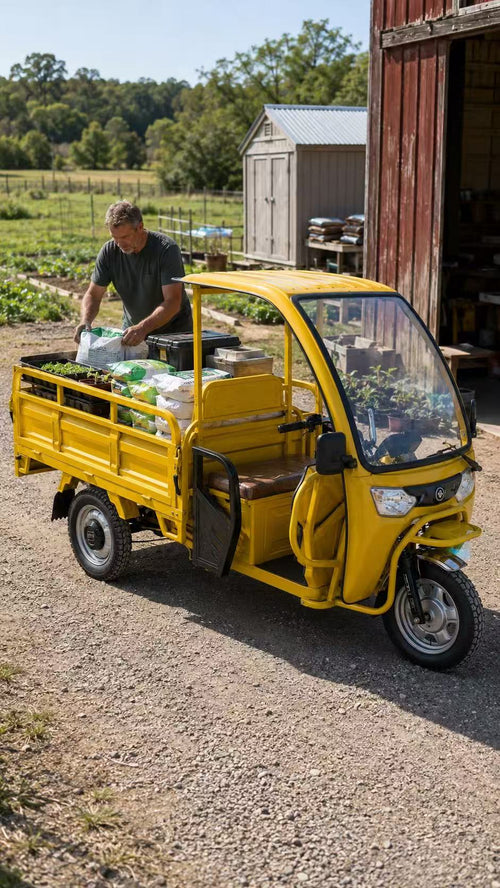
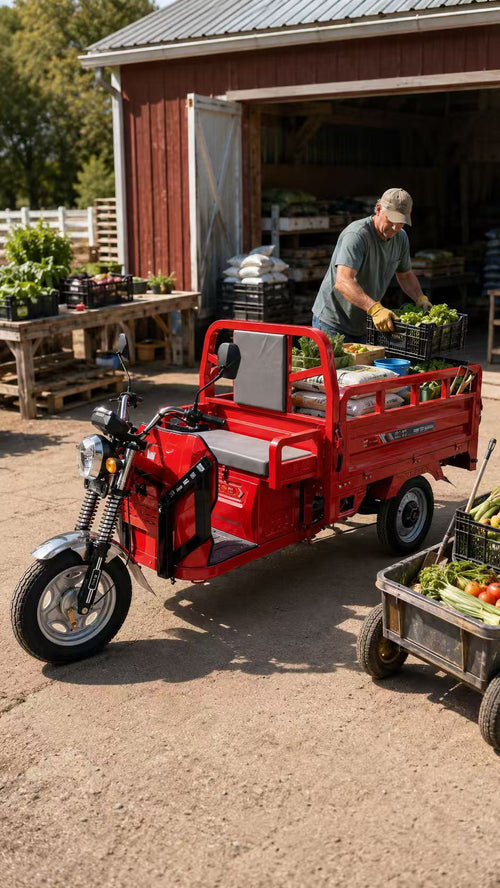
That is why more buyers are starting to search for an electric farm truck. In many cases, they are not looking for a highway truck. They are looking for a compact electric work vehicle that can move feed bags, tools, soil bags, fencing supplies, compost, harvested produce, and other farm materials over short distances with less labor and lower operating cost.
Before buying an electric farm truck, it helps to stop thinking only about vehicle category and start thinking about daily chores. The most useful machine is the one that fits the actual work pattern on your farm.
Start With the Work Route
The first question is simple: where will the vehicle actually drive every day?
Some farms have long internal routes, uneven ground, gravel paths, and wide open areas. Others have tighter working zones around barns, greenhouses, nurseries, livestock pens, sheds, and fenced service lanes. A compact electric farm truck can make more sense when the route is short, repeated, and narrow.
If your daily tasks include moving materials from a feed storage area to animal pens, carrying tools from a shed to a fence line, or bringing soil bags and trays between work areas, a smaller electric utility vehicle may be more practical than a full-size truck. Compact dimensions, tighter turning ability, and easier parking can save time every day.
Think About Load Type, Not Just Payload
Buyers often focus only on maximum payload. Payload matters, but the type of load matters just as much.
On a small farm, daily loads are often mixed and repetitive rather than extremely heavy. Common examples include feed bags, buckets, fencing tools, small equipment, compost, wood chips, soil bags, plant trays, harvested produce, and maintenance supplies. These loads do not always require a large truck, but they do require a useful cargo bed and easy loading access.
A compact electric farm truck with a practical cargo bed can be a better fit for these chores than a vehicle built mainly for passenger use. If your work includes unloading loose materials such as compost, wet soil, mulch, or manure, a small dump-style work vehicle may also reduce labor compared with manual hauling.
Match the Vehicle to Farm Size
Farm size changes the buying decision.
On a very large property with long travel distances, towing needs, and frequent road movement between work areas, a larger utility vehicle or pickup may be necessary. But many small farms, hobby farms, ranch support areas, nurseries, orchards, and greenhouse operations do not need a full-size machine for every task.
In those settings, a compact electric farm truck can cover the most repeated chores: moving tools, delivering supplies, carrying bagged materials, collecting produce, and handling short-distance transport between work zones. For these buyers, the question is not how big the vehicle looks. The question is whether it can make daily chores easier without adding unnecessary cost.
Consider Turning Space and Access
One reason compact electric farm vehicles continue to attract attention is that real farm work often happens in awkward spaces. Barn entrances, side lanes, greenhouse paths, storage yards, and fenced work areas do not always favor a large vehicle.
A compact work vehicle is often easier to position near feed rooms, compost piles, work sheds, and loading points. When the route includes tight turns or frequent stops, a smaller machine may improve workflow more than a larger one.
This is especially true for farms that move supplies many times per day. Repeated short-distance hauling is exactly where a compact electric farm truck can create value.
Electric Operation for Daily Chores
Electric farm vehicles are popular for several practical reasons. Quiet operation can be useful around livestock areas and barns. Lower fuel-related cost is attractive for repeated short trips. Fewer routine engine-related maintenance items can also matter to buyers who want a simple work vehicle for internal farm use.
That does not mean every electric vehicle is the same. Buyers still need to check battery range, charging routine, terrain suitability, cargo bed design, and the type of daily work expected. But if the main job is internal transport rather than highway driving, an electric farm truck can be a sensible option.
When a Small Electric Dump Work Vehicle Makes Sense
Some farm chores involve more than carrying bags and tools. They also involve unloading loose material.
If you regularly move compost, wood chips, mulch, soil, manure, or similar bulk material, a small electric dump work vehicle may be more useful than a standard utility cart. The value is not just transport. The value is reducing repeated lifting and shoveling during unloading.
This matters for small farm owners who want a low-cost vehicle that helps with both hauling and dump work. Instead of comparing only by brand or body style, it is better to ask whether the cargo bed supports the materials you move most often.
Do You Really Need a Full-Size UTV or Pickup?
Some buyers begin their search by assuming they need a full-size UTV or even an electric pickup. In reality, many farms do not need that level of vehicle for daily chores.
If the work stays on private property, the route is short, and the main tasks involve moving farm materials rather than towing large equipment, a compact electric farm truck may be enough. That is especially true when budget matters and the farm needs a practical work vehicle instead of a high-cost machine with features that may not be used often.
This is where many small operators start comparing compact electric utility vehicles, cargo trikes, and small electric dump trucks. They are looking for a balance of cargo usefulness, simple operation, low running cost, and realistic daily value.
What Small Farm Buyers Should Check Before Buying
Before choosing an electric farm truck, check these points carefully:
1. Daily route distance
How far will the vehicle travel during a normal workday?
2. Ground condition
Will it run mostly on gravel, packed soil, concrete, or mixed farm surfaces?
3. Load type
Will you carry feed bags, produce crates, tools, soil bags, fencing materials, or loose bulk material?
4. Cargo bed usefulness
Is the bed layout practical for loading and unloading your real farm materials?
5. Turning and access
Can the vehicle move easily through your actual work areas?
6. Chore frequency
Will the vehicle be used occasionally, or many times per day?
7. Charging routine
Can you recharge it conveniently as part of your farm workflow?
8. Repair support
If service is needed, can you coordinate with a local farm equipment, motor, or small machinery repair technician?
These practical questions usually matter more than marketing language.
Final Thought
The best electric farm truck is not always the biggest or most expensive option. For many small farms, the better choice is the one that matches daily chores, route conditions, and load type.
If your work mainly involves short-distance hauling, routine material transport, and repeated daily chores, a compact electric farm truck may be a better fit than a full-size UTV or pickup. Choosing by real work pattern instead of by vehicle category can lead to a more useful and more affordable solution.