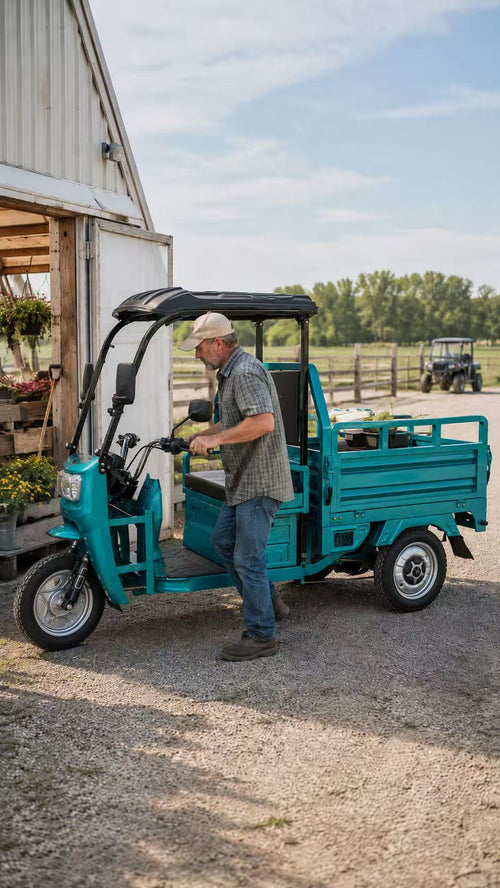
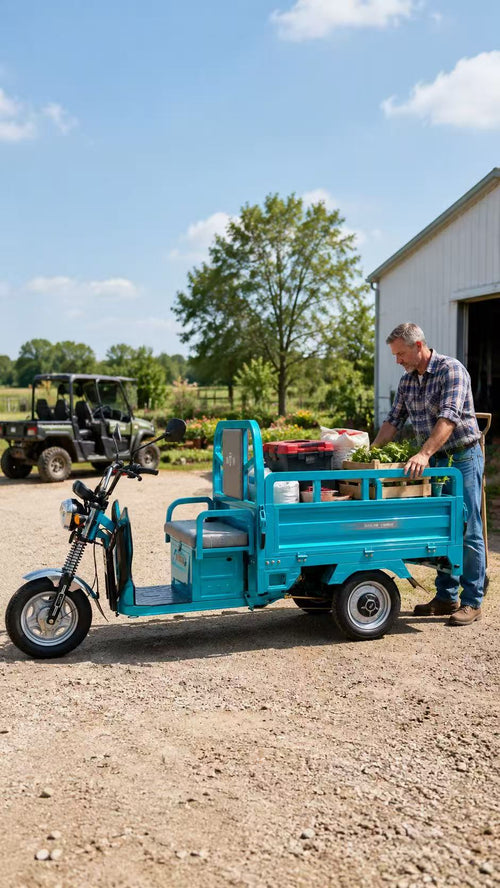
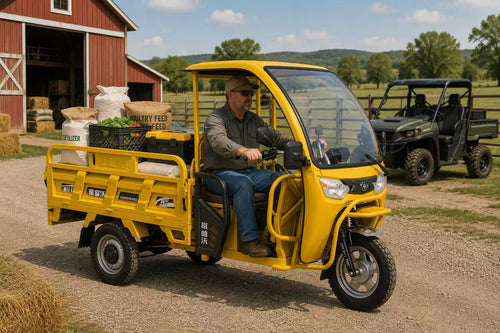
What Materials Can You Safely Dump with a Hydraulic Dump Utility Vehicle?
Share
A hydraulic dump utility vehicle is designed to make short-distance material handling faster, easier, and more efficient. But one important question is often overlooked before purchase: what materials can you safely dump from a hydraulic dump bed?
Not every cargo item should be dumped. A hydraulic dump bed is most effective when handling loose, bulk, and flowable materials that can slide naturally from the rear of the cargo bed. When the material matches the dump system, unloading becomes faster, cleaner, and less physically demanding. When the wrong materials are dumped, the result can be damaged goods, unsafe unloading, unnecessary wear, or a messy worksite.
The best materials for hydraulic dumping are loose materials that spread or slide easily. Gravel, sand, soil, wet soil, mulch, wood chips, compost, manure, barn bedding, leaves, small branches, landscaping debris, and loose construction debris are all common examples. These materials usually do not need to be lifted by hand after transport. Once the dump bed rises, gravity helps move the load out of the cargo bed.
For farms and ranches, this makes a hydraulic dump utility vehicle useful for daily chores such as moving manure, bedding waste, compost, soil, feed waste, hay scraps, and general cleanup material. On horse farms, cattle ranches, dairy barns, poultry operations, and small farms, many daily jobs involve loose or semi-loose materials that are difficult to unload by hand repeatedly.
For landscaping work, hydraulic dumping is especially useful with mulch, topsoil, gravel, wood chips, leaves, grass clippings, tree debris, and garden waste. These materials often need to be moved in repeated short trips between storage piles, job areas, and disposal points. A hydraulic dump bed helps reduce shoveling and speeds up cleanup after each load.
For construction and property maintenance, suitable materials may include sand, gravel, broken concrete pieces, demolition debris, bricks, dirt, roofing waste, and general site cleanup material. However, heavy construction materials should always be loaded carefully. Oversized rocks, sharp metal scraps, glass, and unstable mixed debris require extra attention because they can damage the cargo bed, shift during transport, or create safety risks during dumping.
Some materials can be transported in a dump utility vehicle but should not be directly dumped. Bagged feed, bagged cement, boxed tools, packaged parts, fragile supplies, nursery trays, chemical containers, plastic crates, and packaged produce are better unloaded by hand. These items may be damaged if dumped from a raised bed. A hydraulic dump vehicle can still carry them, but the dump function should not always be used.
This distinction is important. A hydraulic dump bed does not mean every load should be tipped out. It means the vehicle gives the operator an efficient unloading option when the material is suitable for dumping.
Wet and sticky materials require special judgment. Wet soil, clay, manure, compost, and mud can be dumped, but they may not always slide out evenly. Dense wet loads may stick to the cargo bed, shift suddenly, or require the operator to control the dump angle carefully. For these materials, avoid overloading and keep the vehicle on stable ground before raising the bed.
Loose feed waste, barn bedding, and compost are usually appropriate for dumping, but clean feed bags, boxed supplies, and stacked products should be handled differently. The same vehicle may be used for both types of work, but the unloading method should change based on the cargo.
Safety also depends on loading balance. Materials should be distributed evenly inside the cargo bed. A load that is too high on one side or concentrated near the rear can affect stability during transport and dumping. Before raising the dump bed, the vehicle should be stopped on firm, level ground whenever possible.
A practical way to decide whether a material should be dumped is to ask three questions:
Will the material slide naturally when the bed is raised?
Will dumping damage the material?
Will the load stay stable and predictable during unloading?
If the answer is yes, the material is likely suitable for hydraulic dumping. If the material is fragile, packaged, hazardous, oversized, or unstable, manual unloading may be the better choice.
A hydraulic dump utility vehicle is most valuable when it is used for the right materials. For loose bulk loads, it can reduce physical labor, shorten unloading time, and improve daily workflow. For fragile or packaged goods, the vehicle still provides useful transport, but the operator should unload carefully instead of using the dump function.
The goal is not just to move more material. The goal is to move the right material in the right way. When buyers understand what can be safely dumped and what should be handled by hand, they can use a hydraulic dump utility vehicle more efficiently, safely, and professionally across farms, ranches, landscaping jobs, construction sites, wholesale markets, and property maintenance operations.