In modern wholesale markets and fresh food distribution environments, efficient short-distance transportation has become an important part of daily operations. Produce markets, seafood wholesale centers, cold storage facilities, and regional distribution warehouses all face the same challenge: moving products quickly through limited spaces while controlling labor costs and equipment expenses.
Traditional forklifts and large utility vehicles are powerful, but they are not always the best solution for high-frequency movement inside crowded market areas. Narrow aisles, busy loading zones, indoor sections, and repeated short trips require a more flexible transportation method. Manual carts and pallet jacks often increase worker fatigue when businesses need to move heavy products throughout the day.
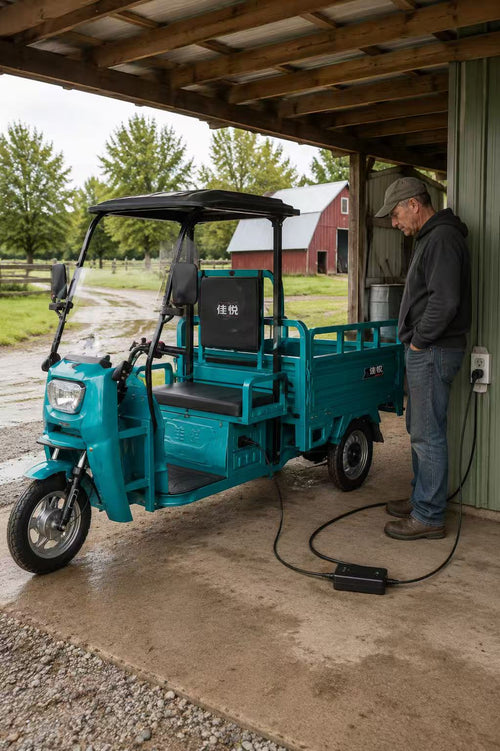
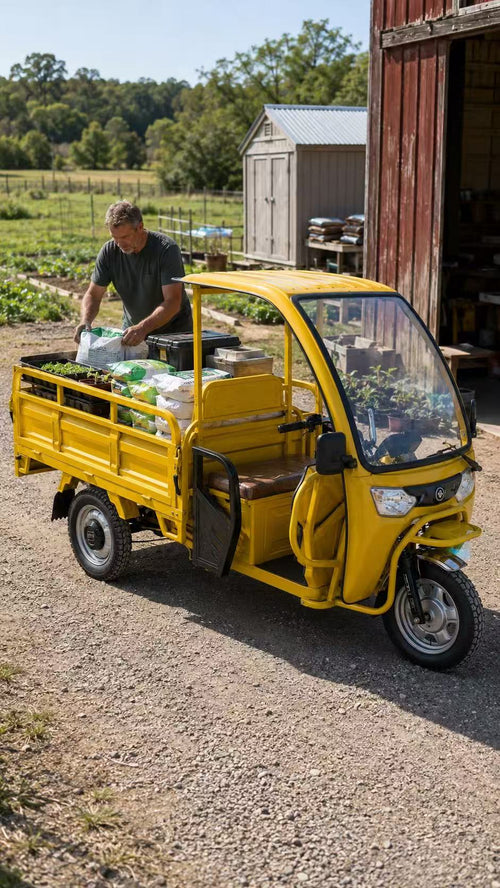
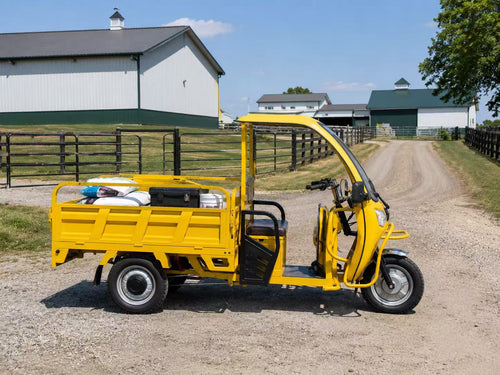
A compact electric utility vehicle provides a practical middle solution between manual handling equipment and large industrial machines. Designed for daily material movement, an electric work trike can transport seafood boxes, vegetable crates, fruit containers, packaged goods, tools, and other supplies across wholesale facilities with improved efficiency.
For seafood markets, transportation equipment must handle demanding working conditions. Workers frequently move ice boxes, fresh seafood containers, packaging materials, and supplies between storage areas, processing zones, and sales locations. A reliable electric cargo vehicle helps reduce repeated manual lifting while supporting fast movement during busy operating hours.
For fruit and vegetable wholesale markets, speed and flexibility are equally important. Fresh produce often moves from delivery trucks to sorting areas, cold rooms, and vendor spaces within a short time window. Compact electric utility vehicles allow operators to complete these repeated transportation tasks without relying on oversized equipment.
Cold chain logistics and cross-docking operations also benefit from smaller electric transport solutions. Unlike traditional vehicles designed mainly for long-distance movement, electric work vehicles are optimized for frequent start-and-stop tasks inside controlled environments, warehouses, and distribution centers.
Compared with forklifts, electric utility vehicles require less operating space and are easier to use for everyday transportation jobs. Compared with manual carts, they improve productivity by reducing physical strain and allowing workers to move heavier loads with less effort.
Common applications include:
• Wholesale produce markets
• Seafood distribution centers
• Fruit and vegetable facilities
• Cold storage warehouses
• Food processing operations
• Urban distribution centers
• Commercial property logistics
• Small business supply transportation
As labor costs continue increasing, many businesses are searching for affordable equipment that improves daily workflow without requiring major infrastructure changes. Electric utility vehicles provide a cost-effective solution for short-distance material handling where flexibility, reliability, and operating efficiency matter most.
For businesses managing repeated transportation tasks within a 50KM working range, electric cargo vehicles represent a practical alternative to traditional fuel-powered machines and oversized equipment. They create a more efficient way to move products, supplies, and materials across modern wholesale and commercial environments.