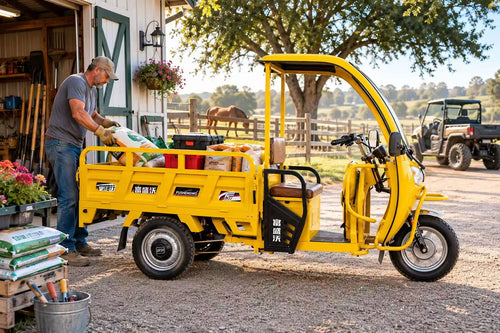
For many property maintenance teams, service vans have been the traditional solution for carrying tools, parts, and repair equipment.
Apartment communities, HOA neighborhoods, hotels, campuses, and commercial facilities often depend on maintenance vans every day.
A van provides storage space and transportation.
But modern facility operations are creating a new question:
Is a large service van always the most efficient choice for daily property maintenance tasks?
Many organizations are now building a more flexible electric property maintenance vehicle system to improve short-distance maintenance efficiency.
Service Vans Are Designed for Transportation
Commercial service vans are valuable vehicles.
They are designed for:
* carrying large amounts of equipment
* traveling between different job locations
* protecting tools and materials
* supporting off-site service work
For contractors moving across a city, a van makes sense.
However, property maintenance teams often work differently.
They usually stay inside one operating area.
The Real Challenge: Repeated Short-Distance Movement
Inside apartments, resorts, campuses, warehouses, and HOA communities, workers may travel between buildings many times each day.
Common jobs include:
* lighting repairs
* plumbing support
* cleaning operations
* landscaping maintenance
* moving replacement parts
* transporting tools
The problem is not long-distance transportation.
The problem is wasting time walking back and forth.
A compact electric utility vehicle helps bring the workspace closer to the job.
Turning Maintenance Vehicles Into Mobile Work Stations
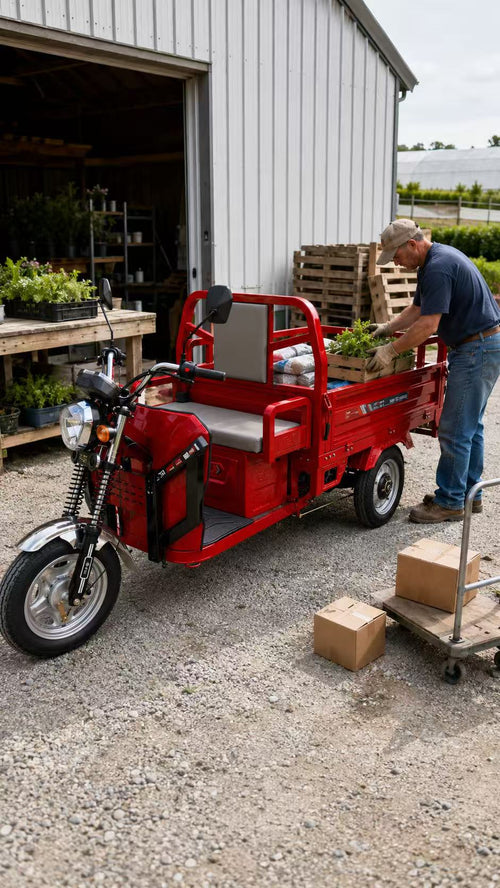
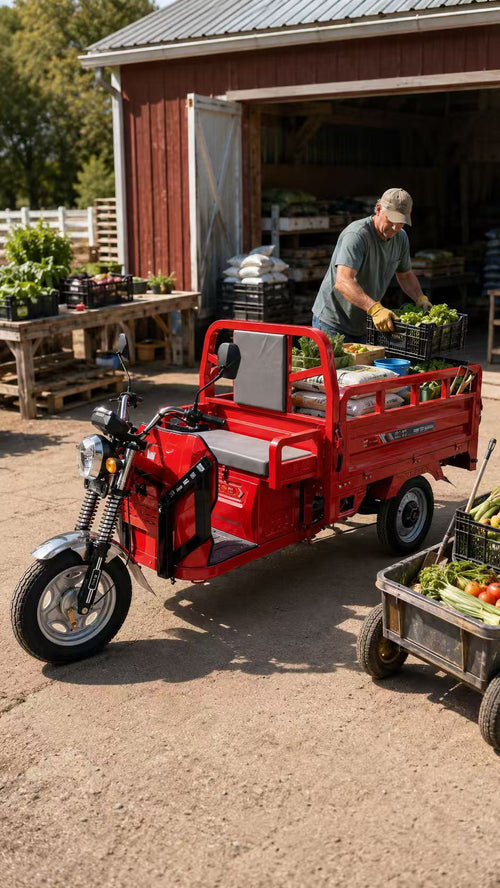
An electric maintenance vehicle works like a mobile support station.
The cargo area can carry:
* toolboxes
* power tools
* small ladders
* cleaning supplies
* repair materials
* replacement parts
Workers can drive directly to different service areas without repeatedly returning to a storage room or parked van.
This helps maintenance teams complete more tasks during the workday.
Better Access Inside Properties
Large service vans can face limitations inside:
* narrow community roads
* sidewalks
* garden areas
* building entrances
* pedestrian zones
A smaller electric service vehicle provides better access for daily operations.
It can move closer to where the actual work happens.
Service Van Replacement or Support Vehicle?
The goal is not eliminating service vans.
Service vans remain useful for:
* city transportation
* large equipment
* outside repair jobs
The smarter solution is choosing the correct vehicle for each task.
Service vans handle long-distance transportation.
Electric utility vehicles handle daily property operations.
Together, they create a more efficient maintenance system.
For modern property managers, improving productivity is not only about owning larger vehicles.
It is about reducing wasted time and helping workers finish jobs faster.