Electric Utility Vehicle for Fence Repair and Ranch Maintenance
Share
Modern ranch operations depend on more than livestock management. Every day, ranch owners spend countless hours repairing fences, replacing posts, transporting tools, inspecting property boundaries, and maintaining equipment across large areas of land. Choosing the right utility vehicle for these daily maintenance tasks can significantly improve efficiency while reducing operating costs.
Fence repair is one of the most frequent maintenance jobs on American ranches. Storm damage, livestock pressure, wildlife activity, and natural aging all contribute to broken fence posts, damaged wire, and loose gates. Workers often need to transport wooden posts, steel T-posts, rolls of fencing wire, post drivers, shovels, battery-powered drills, toolboxes, replacement hardware, and safety equipment from one repair location to another.
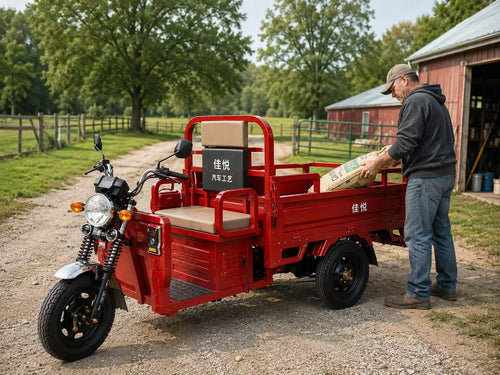
Traditional pickup trucks are effective for long-distance transportation but can be inconvenient when working inside narrow ranch roads or soft pasture areas. UTVs provide good mobility but often require additional trailers or storage boxes to carry large quantities of repair equipment. An electric utility vehicle with a dedicated cargo bed combines compact maneuverability with practical cargo capacity, allowing workers to transport everything needed for a complete fence repair job in one trip.
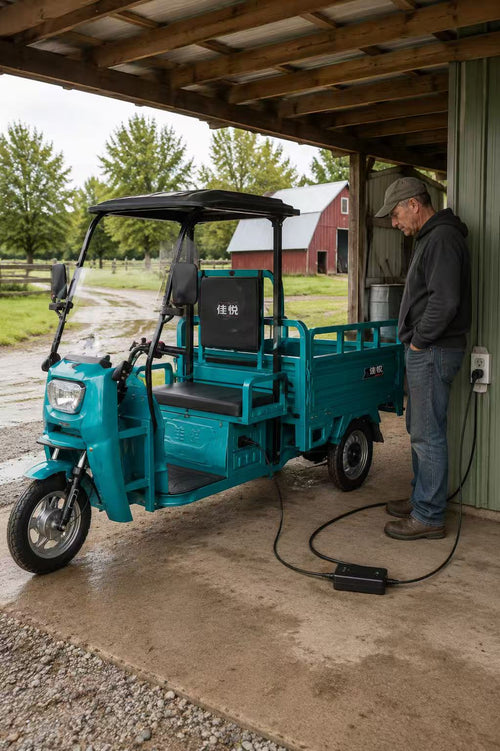
Electric power offers additional advantages during routine ranch maintenance. Quiet operation helps reduce stress on nearby livestock, especially cattle and horses working close to fence lines. Since electric motors produce instant torque, workers can easily drive through uneven ranch roads, gravel paths, and pasture trails while carrying heavy tools and replacement materials. With fewer moving parts than gasoline-powered engines, electric utility vehicles also reduce routine maintenance requirements, including engine oil changes, spark plugs, fuel filters, and transmission servicing.
Daily ranch maintenance extends far beyond repairing fences. Ranch workers regularly inspect water tanks, replace mineral feeders, service gates, repair livestock handling equipment, clean work areas, transport portable generators, move irrigation supplies, and carry maintenance tools between barns, storage buildings, and grazing fields. A reliable electric utility vehicle becomes a central work platform that supports these daily operations throughout the ranch.
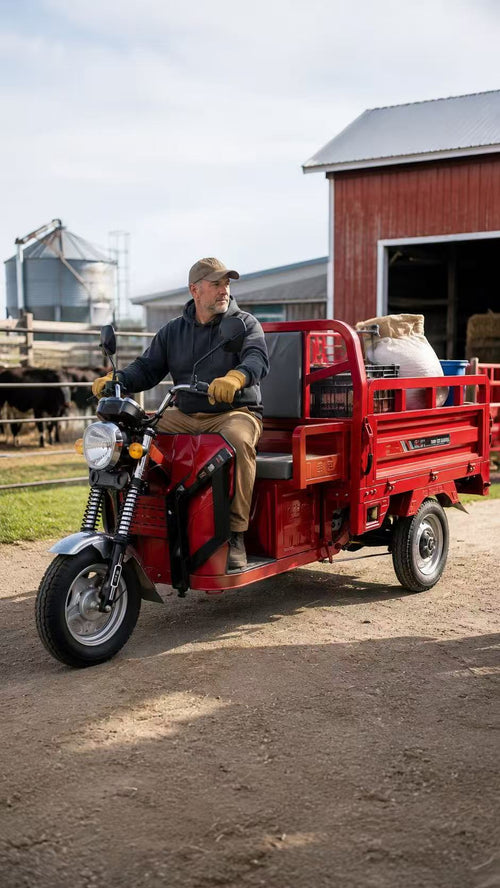
Safety also improves when maintenance equipment is organized inside a dedicated cargo bed instead of being stacked loosely inside passenger compartments. Workers can separate heavy tools from smaller replacement parts, reducing loading time while preventing damage during transportation. Efficient organization means less time searching for equipment and more time completing productive work.
For small and medium-sized ranches, reducing unnecessary operating expenses is increasingly important. Electric utility vehicles eliminate gasoline consumption for routine maintenance routes while lowering long-term servicing costs. Over time, these savings can contribute to a lower total cost of ownership without sacrificing daily productivity.
When selecting a ranch maintenance vehicle, buyers should evaluate more than maximum speed. Cargo capacity, bed accessibility, turning radius, operating cost, maintenance simplicity, and durability often have a much greater impact on everyday ranch work than high-speed performance. The most valuable maintenance vehicle is the one that reliably supports daily operations across every season.
Whether repairing perimeter fencing after storms, replacing damaged gates, transporting maintenance equipment to remote pasture areas, or performing routine inspections across large properties, an electric utility vehicle provides an efficient and practical solution for modern ranch maintenance. As more ranch owners focus on lowering operating costs while improving productivity, electric utility vehicles continue to become an increasingly attractive choice for everyday maintenance operations.